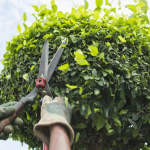

Tree pruning is a mindful and deliberate process of removing a certain section of a tree, including branches, buds, roots, etc., with the aim of enhancing the health, safety, appearance, and growth of the tree. Pruning is widely used by homeowners, landscapers, farmers, and city planners due to the significant contribution of trees to the value of the property, the aesthetic of the neighbourhoods, and the wellbeing of the environment.
Pruning is beneficial when properly done such that the trees will live longer, grow stronger, and remain safe in the vicinity of the homes, roads, and power lines. It may destroy or even kill a tree when wrongly done. The first step in learning how to take care of trees in the proper manner is to understand what tree pruning is and why it is important.
Understanding Tree Pruning
What Does Tree Pruning Mean?
Pruning of trees refers to the act of cutting out some branches or portions of a tree in order to achieve a particular objective. In contrast to random cutting, pruning is conducted with the help of specific guidelines which are related to the biology of trees and their growth patterns.
Pruning does not mean the removal of trees. This is aimed at maintaining the health and functionality of the tree, and not to kill the tree.
Why Tree Pruning Is Important
Pruning of trees is a practice that has a number of advantages that make it vital to residential and commercial premises.
Improves Tree Health
Elimination of dead, diseased, or damaged branches will avoid decay and prevent the spread of disease. This gives the tree the chance to utilize its energy in growing healthy branches and leaves.
Enhances Safety
Existing weak or overgrown branches may fall during storms, strong winds, or heavy snow. Pruning helps in minimizing the chances of the branches destroying houses, vehicles, pavements or power lines.
Boosts Appearance and Property Value
Trees are well pruned, and appear to be trim and tidy. In most American communities, beautiful landscaping such as healthy trees can boost the curb appeal and the value of the property.
Encourages Proper Growth
Pruning is used to trim the young trees into strong and well-structured ones. This is particularly necessary in trees in the streets and trees in the backyard of buildings.
Types of Tree Pruning
The Pruning techniques are varied based on the needs as well as the location of the tree.
Crown Cleaning
This includes the elimination of dead, dying, or broken branches of the canopy of the tree. It enhances safety and aesthetics.
Crown Thinning
Crown thinning is done to eliminate some branches so as to enable more air and sunlight to enter. This minimizes wind resistance and facilitates the growth of plants around.
Crown Raising
Crown raising consists of the removal of lower branches in order to create clearance to pedestrians, vehicles or buildings. It is usual at the sideways and driveways.
Crown Reduction
Crown reduction shrinks the height or dispersion of a tree without altering the natural form. It is usually applied when a tree becomes too close to buildings or power lines.
When Is the Best Time to Prune Trees?
Dormant Season (Late Winter to Early Spring)
In most regions late winter or early spring is the most suitable season to prune most trees. The trees are not in the growing season and this adds to lower stress and makes it easier to see the structure of the trees.
Summer Pruning
During summer, problem branches can be removed or growth checked by light pruning. Nonetheless, the excessive pruning in hot weather may stress the tree.
Fall Pruning
Fall pruning is not common as the cut heals slowly and the disease-causing organisms are in more action.
Emergency Pruning
Branches that are damaged or look dangerous must be removed as soon as possible, not depending on the season.
Tree Pruning vs. Tree Trimming
Many use the terms “tree pruning” and “tree trimming” interchangeably, but they are slightly different.
- The aim of tree pruning is on the well-being of the trees, their form, and the future development.
- The trimming of trees is largely a cosmetic issue and the control and tidying of trees.
The two practices are valuable though pruning is more strategic and health oriented.
Common Reasons Trees Need Pruning
Storm Damage
Branches could be broken or hanging after a storm and they require cutting off to prevent further destruction.
Disease and Pest Control
Infected branches can also be pruned to prevent the growth of pests and diseases that are typical of the United States climates like fungal infection or insect infestation.
Clearance Issues
Trees that grow close to houses, garages, roads or electric lines are usually trimmed down to ensure that there is safe space.
Young Tree Training
Young trees are trimmed to ensure that they grow good branches and avoid future complications.
Risks of Improper Tree Pruning
Incorrect pruning can seriously harm a tree.
Over-Pruning
Cutting down excess branches simultaneously may cause the tree to get weaker and less productive due to the loss of its photosynthetic capacity.
Poor Cutting Techniques
Poor cuts may expose open wounds and trees become prone to disease and rottenness.
Topping Trees
Topping of trees-You should never cut off the large parts of the top. It leads to poor regrowth and reduces the life span of a tree.
Professional Tree Pruning
Why Hire a Professional?
Qualified tree removal specialists know the biology of trees, safety requirements, and local codes. They possess training and equipment that can safely prune the trees, particularly the large or mature ones.
Safety Considerations
Pruning of trees may include heights, heavy branches, and special equipment. Professional services are highly suggested in large trees or trees that are close to power lines.
Local Laws and HOA Rules
The rules on pruning of certain trees, especially the tree which is guarded or on the street, are present in some cities and homeowner’s associations. These are regulations the professionals are conversant with.
Environmental Benefits of Tree Pruning
Healthy trees can offer shade and better air quality, lower the expenses of energy, and sustain wildlife. The trees can be pruned properly so that their benefits can be enjoyed decades later.
Trees are also well-maintained in urban areas in America to reduce heat and stormwater and enhance mental health.
What Is Tree Pruning?
Responsible tree care involves tree pruning. It is a process of trimming off some branches to enhance the health, safety and beauty of a tree. To the homeowner and community, pruning helps in ensuring property protection, improving landscapes and helps to ensure a healthy environment.
When properly carried out and at appropriate time, pruning of trees is known to make trees grow through generations. You may be taking care of one tree in your backyard or you may be taking care of the green space in a whole neighborhood, but knowing how to prune a tree is important in ensuring that the trees are strong, safe and beautiful.