Pruning of trees is a significant aspect of maintaining your yard safe, healthy and beautiful. Either you want to trim the dead branches, shape a tree or avoid damage caused by storms, the cost of tree pruning should be known so that you can budget accordingly. Pruning of trees in residential areas may cost very high or very low depending on a number of factors.
This guide is easy to understand by its breaking down of all things you should know about the cost of pruning a tree in a clear and easy to read manner; with the guide being specifically designed to apply to an audience.
What Is Tree Pruning?
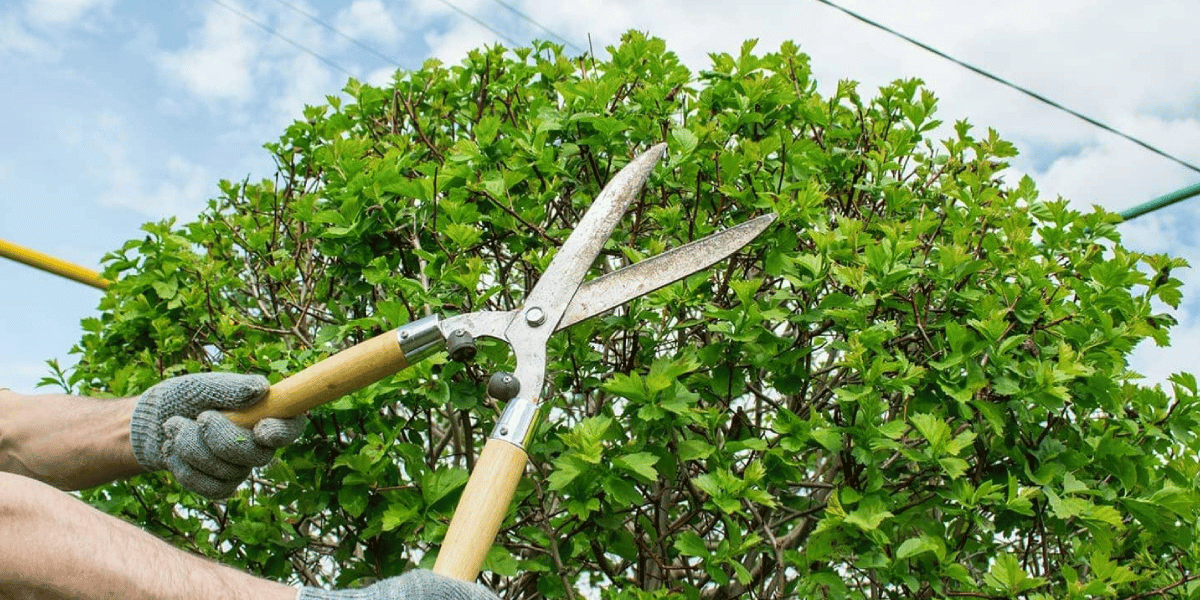
The process of selective cutting of branches to enhance the health, safety and appearance of a tree is referred to as tree pruning. It is not tree trimming when it is more about the shaping and appearance.
Pruning usually consists of the removal of:
- Dead or diseased branches
- Broken or weak limbs
- Branches which touch structures or power lines
- Excessive limbs which influence the health of trees.
Professional tree removal specialists practice safe and high standards that would make the tree grow safely and strongly.
Average Tree Pruning Costs
The average cost of pruning a tree costs between $200 and $800 per tree. Nevertheless, the prices may be lower or higher depending on the circumstances.
Typical Price Ranges
Small trees (under 30 feet): $75-$300
Medium trees (30-60 feet): $150-$800
Large trees (over 60 feet): $400-$1,500 or more
Most homeowners usually pay an average of $400-$600 dollars to have their trees pruned by a professional.
Cost Breakdown by Tree Size
Small Trees
Small trees are accessible and are not normally equipment-intensive. These consist of ornamental trees and young shade trees.
Cost: $75 to $300
Examples: Dogwood, redbud, small maple.
Medium Trees
Medium trees are normally demanding more work and ladders.
Cost: $150 to $800
Examples: Oak, elm, mature fruit-trees.
Large Trees
Tall trees or large trees need special equipment, safety gear, and trained tree removal specialists.
Cost: $400 to $1,500+
Examples: Pine, big oak, sycamore.
Factors That Affect Tree Pruning Costs
A number of important factors will determine the amount of money you will pay to have trees pruned.
Tree Height and Size
Taller and broader trees are harder and more difficult to prune. They might also need bucket trucks or climbing gears that add to the expenses.
Tree Type
Other tree species are more difficult to prune because of thick wood or complicated branches. As an illustration, oak or pine trees, which are mature, can be expensive compared to the small decorative trees.
Tree Health
The sick or broken trees need special attention. Tree removal specialists have to be very careful with an unstable or partially dead tree and this can increase the cost.
Accessibility
Trees which are planted close to residential buildings, fences, garages or power lines are more expensive to trim. Poor access implies additional labor and special tools.
Number of Trees
Most of the businesses can provide a discount whenever you cut a bunch of trees at the same time. It can be more economical to prune a number of trees at a time.
Season
Pruning of trees is normally cheaper in late winter or early spring when there is less demand. It may be more costly in case of emergency or peak-season services (particularly after storms).
Additional Costs to Consider
Emergency Tree Pruning
In case a storm damages a tree and it is a threat that it can cause an emergency; there may be a need to do emergency pruning.
Emergency cost: $150 to $500 extra
Frequently needed following the hurricanes, heavy snow and high winds.
Debris Removal
There are those companies that incorporate cleaning in their prices, and others charge it separately.
Debris removal cost: $50 to $200
Always check the presence of hauling and cleanup.
Permits
In certain cities, there is a permit to prune large or guarded trees.
Permit cost: $25 to $100+
Call your local city or county office.
DIY Tree Pruning vs. Hiring a Professional
DIY Pruning
Advantages: cheap, suitable in small branches.
Disadvantages: Safety, possible evil of trees, lack of tools.
Small trees and some light trimming with hand tools should be pruned by DIY.
Professional Tree Pruning
Advantages: It is safer, has better outcomes, and recruits trained and insured specialists.
Disadvantages: Higher upfront cost
In case of large trees or dangerous conditions, the services of tree removal specialists are highly encouraged.
How to Save Money on Tree Pruning
The following are some of the tips that can help cut down your costs of pruning the trees:
- Get several quotes with the local companies.
- Off-season pruning of the schedule.
- Prune multiple trees at once
- Ask if cleanup is included
- Hire professional tree removal specialists to prevent expensive errors.
Is Tree Pruning Worth the Cost?
Yes, pruning of trees is a good investment to the majority of the home owners.
Regular pruning:
- Eliminates expensive storm damages.
- Enhances the life and health of trees.
- Increases curb appeal/value.
- Reduces safety hazards
You can save thousands of dollars by spending a few hundred dollars at present.