Understanding the Best Wood for Warm, Efficient Fires
Firewood is not all created equally when it comes to creating a warm fire that burns hot, clean, and long. The phrase “seasoned firewood” keeps resurfacing whenever individuals discuss the most suitable wood to use in fireplaces, wood stoves, or outdoor fire pits. But, what is meant by “seasoned,” and why is it so significant?
This guide will discuss what is meant by seasoned firewood, how it is created, why it is important, and how you can tell whether your firewood is actually ready to burn or not.
What Does “Seasoned Firewood” Mean?
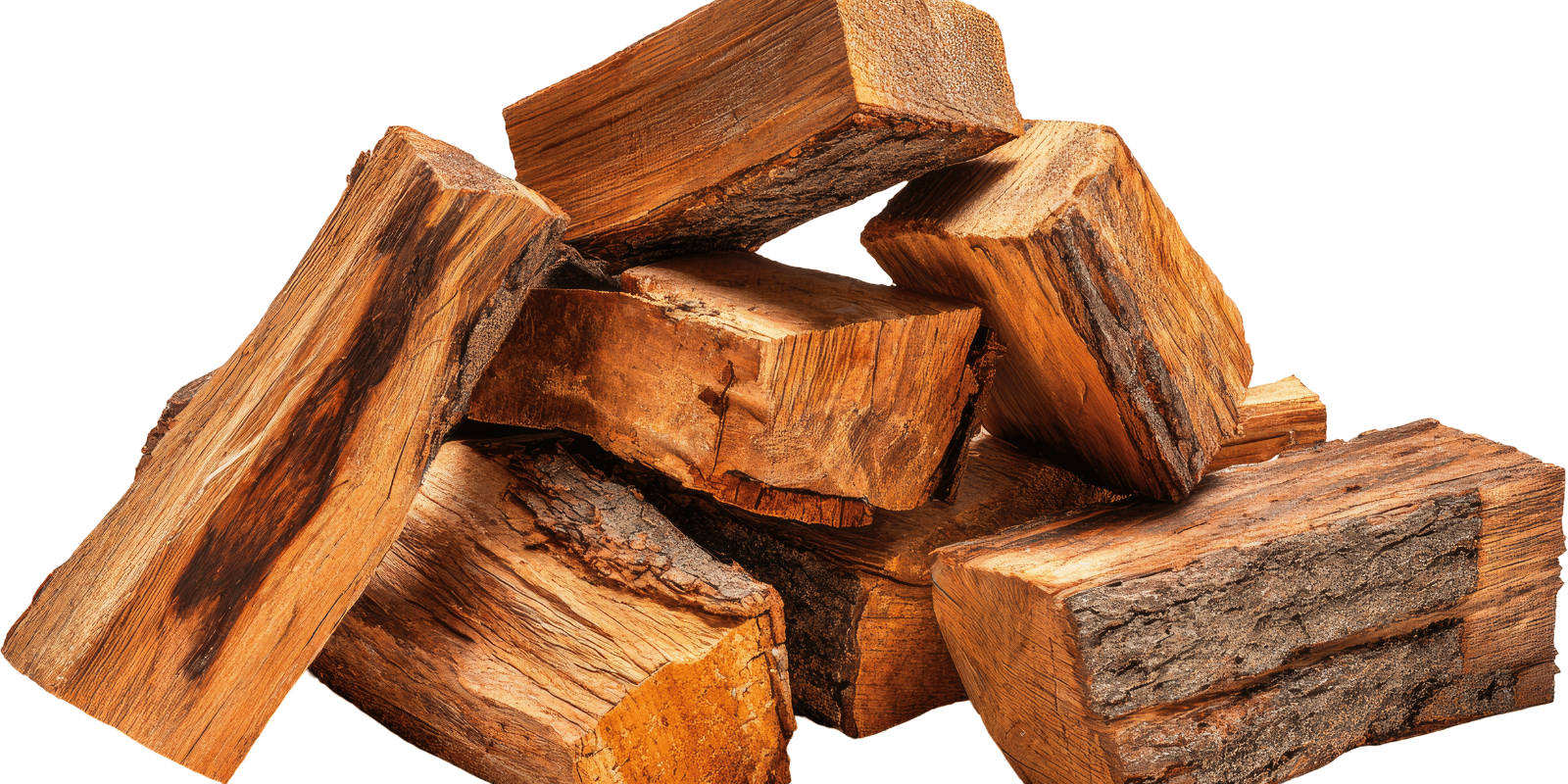
Seasoned wood is wood that has been dried in order to lower the moisture content. Green wood or freshly cut wood may have up to 50% water content. Old firewood, however, is typically only 20% or drier, which is the best in clean, effective burning.
The process of seasoning merely indicates that the wood has been left to dry with time, usually six months to a year, depending on the nature of the wood and climate.
Why Seasoned Firewood is Better
Incineration of old firewood has a number of advantages, making it the favorite among homeowners, campers, and anyone who enjoys a good fire.
Burns Hotter and More Efficiently
Damp wood isn’t capable of burning well, whereas dry wood burns efficiently. Since green wood is full of water, much of the energy of the fire is used to evaporate the water before that energy can be used to generate heat.
Older firewood is dry, and thus, the fire burns at a higher temperature sooner thereby generating more heat and using less wood.
Produces Less Smoke and Creosote
Green wood burns a lot, and it leaves a sticky depositor called creosote that may accumulate in chimneys and can be a potential fire hazard.
Seasoned firewood, which is lower in moisture content, burns cleaner, produces less soot and residue, and keeps your fireplace and chimney safer and cleaner.
Easier to Light and Maintain
If you have ever found it difficult to keep a smoky, hissing fire going, it is likely that the wood was not well-seasoned. Dry wood is easy to ignite and keeps a constant fire, which makes the process of building a fire easy and pleasant.
Better for the Environment
Since it burns to a greater extent, seasoned firewood emits fewer gases into the atmosphere than green wood. It is a more ecofriendly option for people who use wood as heat.
How Is Firewood Seasoned?
Drying firewood is a natural process which takes time, air ventilation, and shielding against dampness.
Here’s how it’s typically done:
Step 1: Cutting and Splitting
It is important to note that firewood dries much quicker when it is split into smaller sizes as compared to when it is in large logs. The division allows for greater surface area, and the moisture can escape with ease.
Step 2: Stacking Properly
Seasoned wood is able to dry evenly. The wood should not be stored on the ground but should be piled up on a pallet or firewood rack, and positioned to allow air to pass between the pieces.
The stack must be open to the sun and air and covered only with a tarp over the top.
Step 3: Waiting for the Right Time
Seasoning may require 6 to 18 months depending on the nature of the wood and climatic conditions in the area. The hard woods, such as oak, require a longer time to dry compared to soft woods, such as pine. The aim of this is to have the moisture level at less than 20% which can be checked using a moisture meter.
How to Tell if Firewood is Seasoned
It is always prudent to check even when you are told that it is seasoned firewood that you are getting.
The following are some of the ways to know whether wood is really seasoned or not:
Look at the Color
Older wood appears greyish or faded, whereas freshly cut would appear brighter in color.
Check for Cracks
Dry wood will have little cracks or splits at ends; this is an indicator that moisture has been lost.
Feel the Weight
The seasoned firewood is relatively light compared to green wood since it contains less water.
Listen for the Sound
As two pieces of old wood are struck against each other, they produce a sharp clunking noise. Green wood makes a dead thud.
Test the Burn
Should you light one of those pieces and it catches fast and does not produce much smoke, it is seasoned. On the other hand, green wood has a tendency to hiss and sizzle as the trapped water evaporates.
The Best Woods to Season and Burn
Different types of wood do not fire similarly. Hardwoods tend to be the best in long and hot fires.
The following are some of the best options of seasoned firewood:
Oak – Burns slowly, down to ashes; perfectly suited to nightly fires
Hickory – Extremely thick and heats up well
Maple – Burns with a sweet smell
Ash – Dries fast and evenly burns
Birch – Lights and burns readily and generates heat well, but burns quicker
Pine, spruce, and fir are good kindling since they burn easily. Nevertheless, these burn quicker and create more creosote.
How to Store Seasoned Firewood
After making your wood seasoned, the next important thing is to store it in a proper way so that it remains dry and will burn easily.
Tips for Storage:
Do not leave it on the floor: Storing it on a rack, pallet, or on bricks will help moisture decrease.
Keep it covered at the top: Do not cover the sides or moisture will be trapped.
Store near your home but not too close: Place 20-30 feet away from your home; this will assist in preventing the movement of insects and pests inside the house.
These steps will guarantee that your firewood is dry during the winter season.