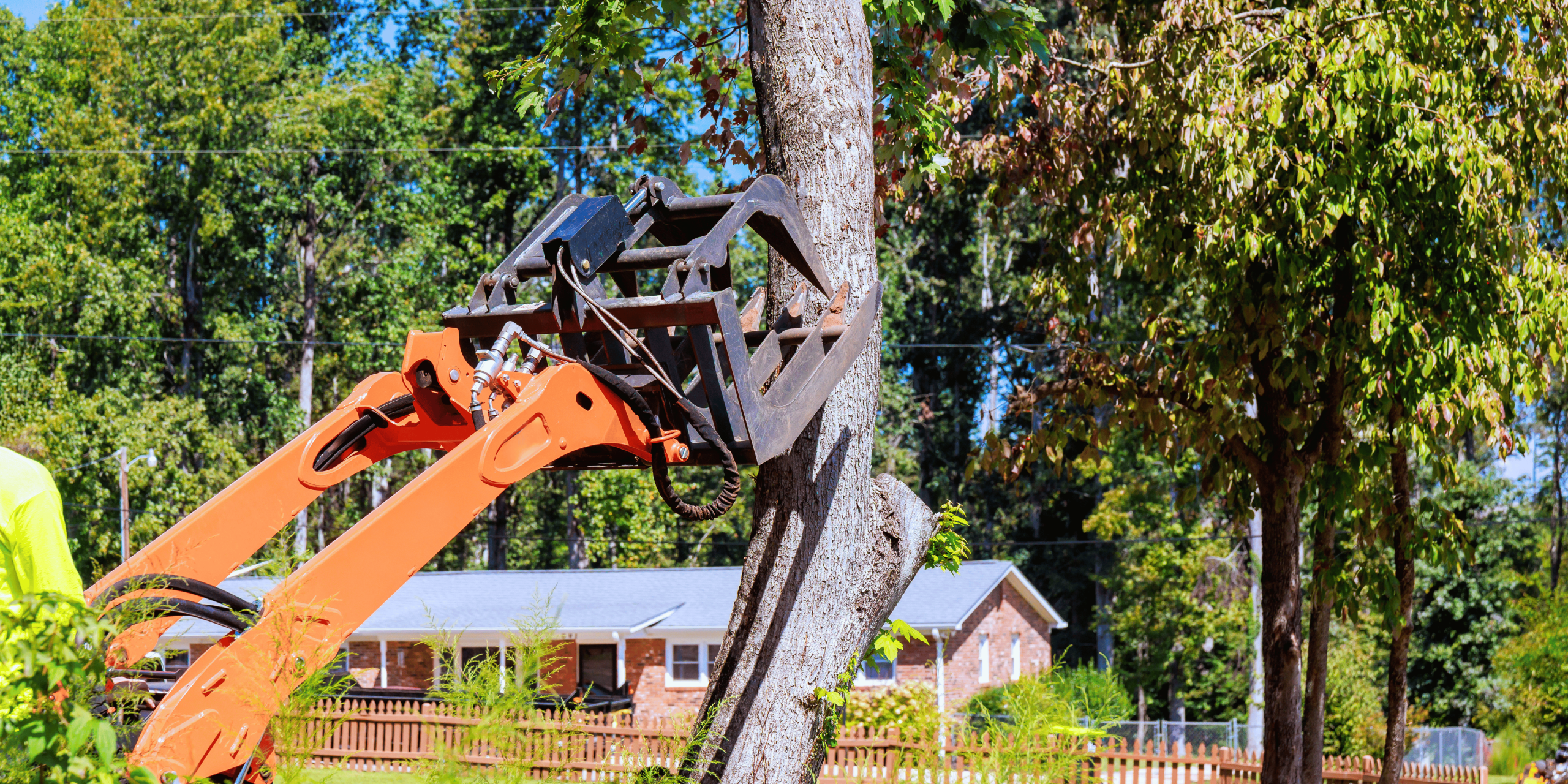
Tree removal in residential areas is not as simple as cutting down a tree in your backyard. In many cases, specific rules and regulations control when, how, and if a tree can be removed. These regulations are designed to protect the environment, maintain neighborhood aesthetics, and ensure public safety.
If you are a homeowner wondering who regulates tree removal in residential areas, this guide will walk you through everything you need to know in clear and simple language.
Why Tree Removal Is Regulated
Before knowing who controls the removal of trees, it is important to know the reason as to why it is controlled in the first place.
The advantages of trees to communities are numerous and they include:
- Improving air quality
- Reducing stormwater runoff
- Shading and reducing energy expenses.
- Increasing property value
- Supporting wildlife.
Due to these advantages, local governments tend to provide regulations that make it difficult to cut down trees which are not necessary. These regulations contribute to the preservation of the urban forest and character of the neighborhoods.
Local Government: The Primary Authority
In residential settings, trees are controlled by local government agencies in most instances.
This includes:
- City governments
- County governments
- Townships
- Municipal authorities
City or Municipal Regulations
The majority of the cities have tree protection ordinances.
These ordinances explain:
- The existence of a permit to take down a tree.
- The area of the tree which is to be under protection.
- The endangered species.
- Replacement requirements.
As an example, in many cities a permit is needed to cut down trees that have a trunk diameter greater than some specified diameter, which is usually at breast height (DBH). Cutting down trees without permission can lead to fines or punishment.
There are also cities that preserve so-called heritage trees or landmark trees. They are normally big, ancient, or historic trees, which cannot be cut without any special permission.
County Regulations in Residential Areas
In areas outside city limits, county governments often regulate tree removal.
Counties may enforce environmental protection laws, especially if the property is near:
- Wetlands
- Rivers or lakes
- Protected habitats
- Flood zones.
In case your place of residence is in an unincorporated area, you are supposed to inquire with your county planning or environmental services department.
Homeowners Associations (HOAs)
Homeowners Associations (HOA) also control the removal of trees in most residential areas.
HOA Rules and Restrictions
There may be other rules within your HOA even if the city permits the removal of trees.
These can include:
- Before clearing, there are approval requirements.
- Landscaping guidelines.
- Requirement of replacement trees.
- Limits on the clearing of healthy trees.
The inability to live by HOA rules may lead to penalties or lawsuits. It is always a good idea to check your HOA covenants, conditions, and restrictions (CC&Rs) before you cut a tree.
State Environmental Laws
Most of the regulations that are related to tree removal are local, but state laws may also be involved.
Protected Species and Environmental Protections
Certain states safeguard some tree species, particularly:
- Threatened or endangered species.
- Native hardwood trees.
- Trees in coastal conservation areas.
The state environmental agencies might need special permits in the case the tree is in:
- Coastal areas
- Protected forests
- Sensitive areas of the environment.
Also, there are states with severe punishment against the act of cutting down trees where endangered wildlife species are found.
Federal Regulations in Special Cases
The removal of trees in residential property of an individual is not usually regulated by federal laws. Exceptions however do exist.
When Federal Laws Apply
Federal regulations may apply if:
- The tree is on a federally-protected wetland.
- The land is located close to endangered species.
- The land is federally owned.
As an example, the U.S Fish and Wildlife Service can intervene in case clearing an endangered species will be disturbed by removing a tree.
When Do You Need a Permit to Remove a Tree?
Whether you need a permit depends on your location and the specific tree.
Common Situations That Require a Permit
You may need a permit if:
- The tree is larger than a particular size.
- The tree is categorized as a protected one.
- The house is situated in a controlled area.
- The tree is said to be a heritage or a landmark tree.
The process of cutting dead, diseased, or hazardous trees in most regions might not need a permit. However, a report like the arborist report can still be required.
The easiest way would be to call your local planning/forestry department and inquire about removing any big tree.
Penalties for Illegal Tree Removal
Removing a tree without proper approval can lead to serious consequences.
Possible Penalties Include:
- Hundreds and thousands of dollars in fines
- Mandatory tree replacement
- Legal action
- Stop-work orders of construction projects.
There are cities that charge fines according to the size of the tree, species and ecological worth. Under extreme situations, the owners of the property might be asked to plant several replacement trees.
How to Find Out Who Regulates Tree Removal in Your Area
If you’re unsure who regulates tree removal in residential areas where you live, follow these steps:
- Contact your local government or city planning department.
- Look on the official site of your county.
- Review your HOA guidelines.
- Talk to a certified arborist.
The local governments most are putting their tree removal policies online in their planning, zoning, or forestry departments.
Special Situations: Emergency Tree Removal
In some cases, trees are forced to be cut down instantly because of safety reasons.
Storm Damage and Hazardous Trees
If a tree is:
- Leaning dangerously
- Damaged by a storm
- Posing a threat to structures or power lines.
You can be given the permission to remove it without any advance permission. However, many cities require you to notify them afterward or provide photographic proof of the hazard.
The utility companies can also control the cutting of the trees in case the tree is interfering with the power lines.