Making cuts on the trees is a significant aspect of tree management. It makes trees become stronger, shapes better, eliminates diseased branches, and promotes good fruit or flowers. However, after a tree has been trimmed, it exposes open wounds that are susceptible to pests, fungi and diseases. The most frequent question posed by many homeowners when they prune is; should I spray something on the tree to protect it? This is dependent on the tree, season and the disease pressure in the area.
This guide explains what to spray on a tree after pruning, when spraying is helpful, and when it’s better to let nature do the work.
Why Trees May Need Protection After Pruning
When you prune a tree, you create wounds.
These cuts expose inner wood and can become entry points for:
- Fungal infections
- Bacterial diseases
- Insects and borers
- Moisture-related decay
Small cuts made on healthy trees can normally be sealed by the tree. Nevertheless, additional protection may be useful under special circumstances, e.g., when it is raining, in disease-prone regions, or when pruning fruit trees.
Do You Always Need to Spray After Pruning?
The Short Answer: Not Always
In most instances, there is no need for spray. The majority of contemporary tree removal specialists believe that healthy trees are self-healing.
You may not need to spray if:
- The tree is healthy
- Cuts are small and clean
- Pruning was also done at the right season.
The tree cannot be diseased easily.
Spraying may however be beneficial in certain circumstances particularly to fruit trees or trees that are known to be diseased.
Best Things to Spray on a Tree After Pruning
Fungicide Spray (Prevention of Diseases)
Fungicides are also applied after pruning to prevent fungus mostly in rainy or humid areas.
When Fungicides Are Helpful
- Fruit trees (apple, peach, cherry, citrus) pruning.
- Regions that receive heavy precipitations.
- Trees that are susceptible to fungi such as fire blight or canker.
Common Fungicide Options
- Copper-based fungicides
- Sulphur sprays
- Products based on chlorothalonil (against some fruit trees)
Tip: It is advisable to adhere to the label instruction that is EPA approved and safe to be used at home.
Insecticidal Spray (If Pests Are a Concern)
New pruning cuts would be attractive to insects, such as beetles and borers.
When to Use Insecticides
- In case of the active insect infestations in your area.
- In warmer months when pruning is to be done.
- In case the tree had previously been damaged by insects.
Common Insecticidal Options
- Neem oil
- Horticultural oil
- Insecticidal soap
Neem oil is particularly famous among American house owners as it is efficient and not harmful to the environment.
Neem Oil (All-in-One Natural Option)
The best post-pruning sprays used by home gardeners is the neem oil.
Benefits of Neem Oil
- Manages fungi, insects and mites.
- Sacred to numerous fruit and shade-trees.
- Certified to practice organic farming.
- Broadly sold in nursery shops.
Neem oil should be used in very minimal amounts and sprayed around pruning sites and on the branches that are nearby.
Copper Spray for Fruit Trees
Fruit trees in the United States are usually sprayed with copper.
Why Copper Spray Is Used
- Prevent fungal diseases and bacterial diseases.
- Good in fighting fire blight and leaf curl.
- Frequently applied following dormant-season pruning.
Copper sprays are particularly handy in:
- Apple trees
- Peach trees
- Pear trees
- Plum trees
Use sparingly, otherwise it may harm the leaves.
Wound Sealers: Should You Use Them?
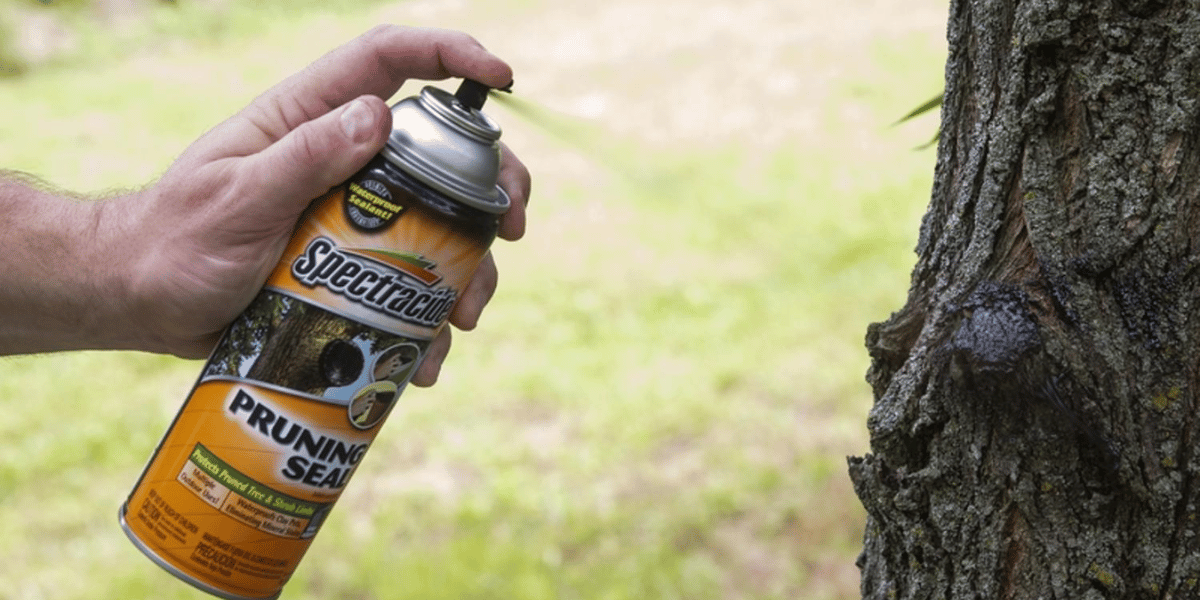
Previously, tree wound sealers or pruning paint was in use by gardeners. Nowadays, they are not usually recommended by experts.
Why Wound Sealers Are Discouraged
- Can trap moisture inside the wound
- May encourage decay
- Intrude into natural healing.
The majority of the tree removal specialists are of the opinion that clean cuts are better healed without sealers.
When Is the Best Time to Spray After Pruning?
The time of the day is as important as the product you use.
Best Timing Tips
- Spray immediately after pruning in case of protection.
- Choose a dry, calm day
- Avoid spraying before rain
- It is best in the early morning or in the late afternoon.
In the case of fruit tree, post-pruning sprays typically are made at the end of winter or the beginning of spring.
Trees That Often Benefit from Post-Pruning Sprays
There are more sensitive trees, which can be sprayed with light after being pruned:
- Fruit Trees
- Apple
- Peach
- Cherry
- Citrus
Ornamental Trees
- Dogwood
- Maple
- Oak (particularly in beetle infested regions)
Shade Trees in Humid Regions
Trees in the Southeast or Pacific Northwest may face higher fungal pressure.
Trees That Usually Do Not Need Spraying
There are several native and hardy trees which are self-curing:
- Oak (when pruned properly)
- Pine
- Spruce
- Fir
- Elm (healthy trees)
In the case of such trees, pruning is more of a technique than of spraying.
Best Practices for Safe Spraying
To save your tree and save the environment:
- Always read product labels
- Wearing gloves and eye protection
- Do not over-apply
- Keep sprays off pets and pollinators
- Keep chemicals in the store in a safe and secure way.
In the case of trees that are large or of great value, then seek the services of a tree removal specialists!