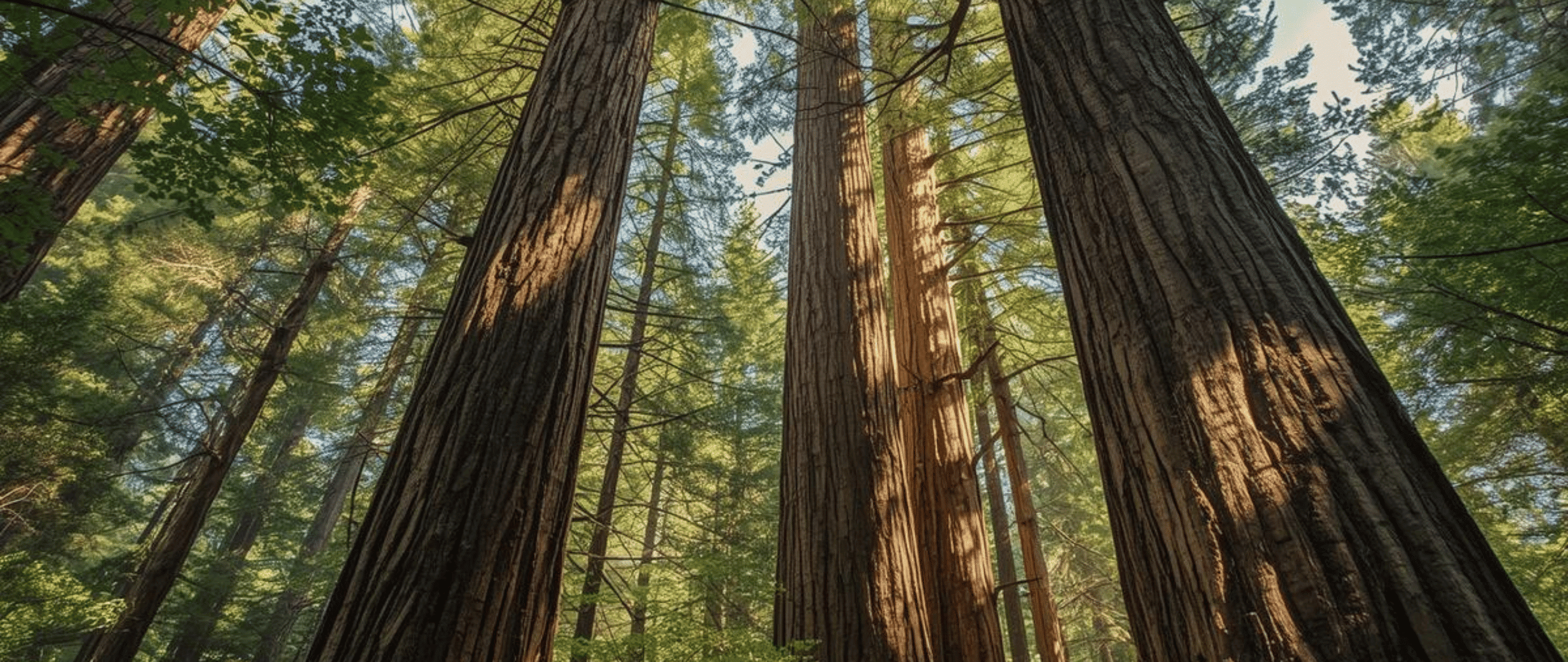
Healthy trees add beauty, shade, and environmental value to any landscape. Whether they grow in a backyard, park, or urban setting, trees require proper care to stay strong and thrive for decades. Poor soil, pests, lack of nutrients, and improper watering can weaken trees over time. By following a few essential tree care practices, you can significantly improve tree health and longevity.
This guide explains simple and effective ways to keep trees healthy and growing strong.
Understand the Needs of Your Tree
Different species of trees do not need the same amount of sunlight, soil, water, and nutrients. The first step in improving the health of your tree is to understand the particular needs of your tree.
Some trees can be planted in full sunlight and others can be in partial shade. The type of soil is also a significant factor in the development of trees. Sandy soils have a short drainage period whereas clay soils retain water longer. The awareness of these conditions will assist you in modifying the process of watering and fertilization.
There is also the need to examine the size of a mature tree. The trees planted in narrow areas might experience a limited growth of roots; hence, they will experience stress and poor growth.
Once you know what your tree requires, then you will find it easier to give it the correct attention.
Water Trees Properly
One of the most crucial things to the health of trees is water. During dry seasons, trees require regular moisture.
Young trees need to be watered more frequently due to the fact that their root systems are underdeveloped. Deep watering also allows roots to grow deeper into the ground making trees stronger and drought resistant.
Rather than watering lightly on a daily basis, water deeply once or twice in a week. This promotes the growth of roots.
However, trees can also be damaged through overwatering. An excess of water may result in fungus and root rot. The soil should always be well drained and must not be waterlogged.
You should examine the upper few inches of soil. When it becomes dry, the tree is in need of water.
Improve Soil Quality
Good soil leads to good development of trees. Bad soil may hinder the growth of the roots and decrease the supply of nutrients.
Organic matter, which includes the use of compost or mulch, can also be added to soil to enhance its quality. Organic materials enhance the ability of soil to be fruitful, improve moisture retention, and contribute to the healthy organisms.
Mulching particularly comes in handy. The organic mulch surrounding the tree base assists in controlling the soil temperature, moisture, and preventing weeds that might compete with the tree for nutrients.
Mulch should be applied in the form of a ring around the tree, but should not be too close to the trunk that it becomes wet and rotten.
Increasing soil quality provides the roots of the trees with nutrients and an environment to grow well.
Prune Trees the Right Way
When trees are properly pruned, they grow efficiently and strong. By removing dead, damaged, or diseased branches, the tree is able to channel its energy to healthy areas.
Pruning also enhances air circulation and penetration of sunlight in the canopy. This mitigates the threat of fungi and pest attacks.
Excessive pruning, however, may make a tree weak. Excessive removal of branches simultaneously may cause stress to the tree and decrease its growth.
Most trees should be pruned in their dormant period when they are not growing. It is recommended to cut with clean and sharp tools and to make precise cuts.
If you need to remove large branches, you should contact a professional arborist in order to not damage the tree.
Protect Trees from Pests and Diseases
Even mature trees can be destroyed within a short period of time if pests and diseases are not dealt with. Routine inspection should be implemented to identify issues before they become serious.
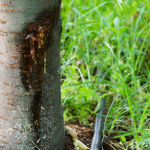
Symptoms of this condition include discolored leaves, defects in the bark, odd-looking spots, or premature leaf fall. Such symptoms can be a sign of insects or illness.
The most appropriate natural pest resistance is to keep trees healthy. Trees resistant to these issues require proper watering, pruning, and soil care.
In case of infestations, the treatment can be in form of organic sprays, insecticidal soaps, or special pest control measures.
Small problems can be prevented from forming into serious threats at a very early stage by detecting and managing them.
Avoid Soil Compaction
The problem of soil compaction is typical in the regions characterized by high pedestrian traffic, construction, or the work of machinery. When the soil is compacted, it will inhibit the flow of oxygen, and the roots will not develop normally.
Trees that are planted in compacted soil usually exhibit stress characteristics such as slow growth and poor development of leaves.
In order to minimize compaction, do not drive/park cars around tree bases, near to roots. To protect the soil structure, you can also create a mulch ring around the tree.
In the worst cases, soil aeration methods have the ability to enhance air circulation and water flow within the root zone.
The structure of the soil is healthy; thus, the roots are able to grow freely and absorb nutrients easily.
Provide Proper Nutrients
Trees require nutrients like nitrogen, phosphorus, and potassium in order to grow well. In certain topographies, soils might be deficient of these nutrients.
A soil test will assist in establishing what nutrients are lacking. Depending on the findings, the right fertilizer can be used to facilitate the growth of trees.
The best option is to use slow-release fertilizers since they release nutrients gradually over a period of time. This eliminates spurts of growth which can make the tree weak.
Excessive fertilizing should also be avoided. Too many nutrients may result in damaging the roots and distorting the natural balance of the soil.
Proper nutrition guarantees healthy and constant growth.