When choosing firewood, many people wonder whether hardwood is a good option. The short answer is yes—hardwood is widely considered to be one of the best types of firewood available. It burns longer, produces more heat, and creates less smoke compared to many softwoods. However, understanding why hardwood works so well can help you make better choices for heating your home, cooking, or enjoying a cozy fire.
In this guide, we’ll explore the benefits of hardwood firewood, how it compares to softwood, and which hardwood types work best.
What Is Hardwood Firewood?
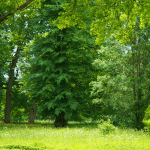
Hardwood is produced by trees that lose their leaves annually; these trees are known as deciduous trees. Examples are oak, maple, hickory, ash, and birch. These trees are also slower to grow than softwood trees which makes the structure of the hardwood denser.
Due to this density, hardwood has more energy per log. This indicates that it burns slower and generates consistent heat at a lengthy period. Hardwood is commonly preferred fuel in fireplaces, wood stoves, and outdoor fire pits.
Alternatively, softwood is usually wood like pine, fir, and spruce. Although softwood burns easily, it burns at a higher rate and tends to produce more smoke.
Why Hardwood Is Good for Firewood
There are various strengths of hardwood that make it the best for burning and make it the favorite of many homeowners who want to use it in heating and recreational fires.
Burns Longer
Long burning time is one of the greatest benefits of hardwood firewood. Hardwood logs are thick, and therefore, take a long time to decompose in the fire.
This burns slowly, so you will not have to add logs as often. With wood stoves and fireplaces used to heat the house, this can make a big difference, particularly during the colder seasons.
Produces More Heat
Hardwood has more stored energy in comparison to softwood. It produces more heat per piece of wood when burnt.
This renders hardwood very effective in terms of heating spaces. One stack of hardwood logs can warm a room for many hours, which will aid in consuming less wood in general.
Creates Less Smoke
Seasoned hardwood will not give off as much smoke as softwood. Less smoke means fewer problems with indoor ventilation.
Less smoke also decreases accumulation of creosote in chimneys. Creosote is a flammable material, which is a byproduct of wood burning, and reducing this material is one way of enhancing fireplace safety.
Produces Better Coals
Hardwood yields superior hot coals which are longer lasting. These coals are used to keep fireplaces and wood stoves at a constant temperature.
When cooking with fire, e.g., grilling or smoking meat, these coals are particularly useful since they give off a steady, efficient heat.
Best Types of Hardwood for Firewood
Hardwoods are not all the same. There are certain varieties that are popular due to their heating capacity and burn quality.
Oak
Oak is often considered one of the best firewood options. It burns slowly, produces strong heat, and creates long-lasting coals. The only downside is that oak takes longer to season than most woods.
Hickory
Hickory has a reputation for producing a lot of heat and a pleasant smell. It is also popular to cook and smoke food with, and as a result, it is widely used in outdoor grills and smokers.
Maple
Maple is a slow burner that has consistent heat. It also splits easily as compared to some other hardwoods, making it convenient in preparing firewood.
Ash
Ash is a popular firewood since it can be smoldered even when it is not fully dry. It burns readily and gives even heat.
Birch
Birch is fast burning as compared to other hardwoods, yet it is good heat producer. Starting fires is one of its common uses since it catches fire easily.
Hardwood vs Softwood Firewood
Knowing the distinction between hardwood and softwood can enable you to decide on the appropriate type of firewood to use.
Hardwood is thick, dense, and heavy which allows it to burn slowly; it generates intense and consistent heat. This is suitable for long fires and in home heating.
Softwood is lightweight and not as dense. It ignites easily, thus making it useful in the start-up of fires. But it burns quicker and usually sparks and creates more smoke.
To achieve the best fire, many use a mixture of the two. Kindling can be made with softwood, and hardwood logs can be used to sustain the fire.
Importance of Seasoning Hardwood
Even the finest hardwood will not burn well when it is not seasoned. Seasoning is the process of drying the firewood to a level where the moisture content is reduced to an appropriate level for better burning.
Freshly cut wood can contain up to 50 percent moisture. Burning wet wood leads to excessive smoke, low heat, and creosote buildup.
Well-seasoned hardwood typically requires six to twelve months to dry. Once the logs are prepared to burn, they will be lighter, will have cracks at the ends, and a hollow sound when struck together.
To hasten the seasoning process, it is advisable to store firewood in a dry, well-ventilated place.
Are There Any Downsides to Hardwood?
Although hardwood is the best firewood, it has a few minor disadvantages.
First, hardwood trees are slower in their growth and thus, hardwood firewood may be pricier at times. It is also heavier which makes cutting, splitting, and transporting logs more physically challenging.
Also, certain hardwoods take a longer time to season before they can be burnt effectively.
All these notwithstanding, most people still find hardwood to be worth the effort due to its high heat and extended burn time.