
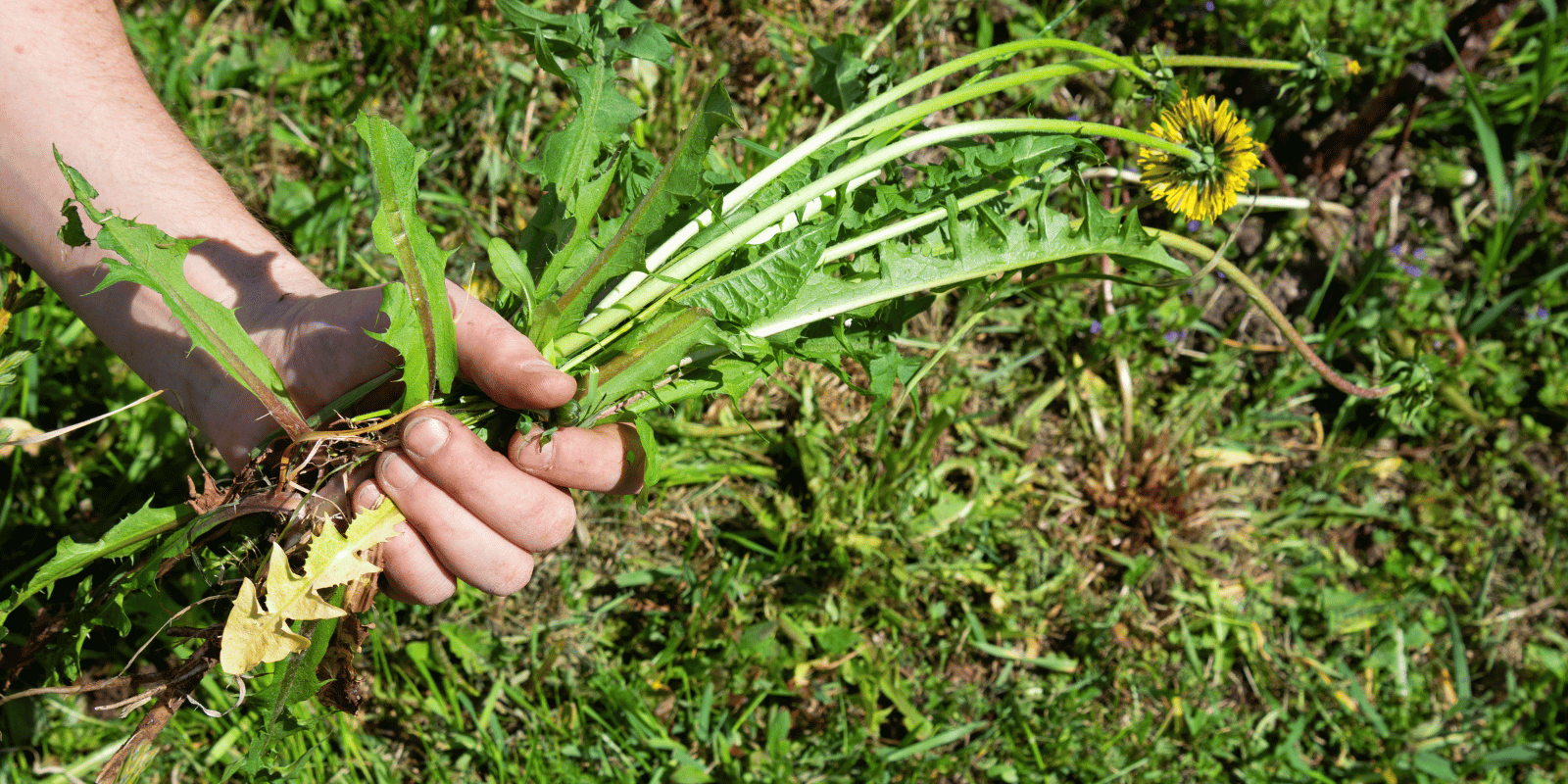
A lush, green lawn is the pride of any home. But weeds—those pesky, unwanted plants—can quickly turn your beautiful yard into a patchy mess. No matter what type of weeds you are fighting, from dandelions to crabgrass to clover, it is crucial to tame them in order to have a healthy and luscious lawn.
This guide will take you through convenient, useful, and simple ways of how to control weeds and maintain your grass at its best all year long.
Understanding Lawn Weeds
You should know what you are dealing with before you jump into solutions. A weed is a plant that grows where it does not belong. Weeds on lawns compete with the grass in terms of sunlight and nutrients, as well as water.
Common Types of Lawn Weeds
Broadleaf Weeds: These are dandelions, clover, chickweed, and plantain. They are visible due to their broad leaves.
Grassy Weeds: These are crabgrass, quack grass, and foxtail. They are similar to normal grass, hence difficult to notice.
Perennial vs. Annual Weeds: Annual weeds, such as crabgrass, have a lifespan of one season and perennial weeds, such as dandelions, come back year after year.
Step 1: Prevent Weeds Before They Start
The best defense against weeds is a thick, healthy lawn. A dense lawn naturally shades out weed seeds and prevents them from germinating.
Maintain Proper Mowing Height
Homeowners commit the error of cutting too short. Mowing grass at too low a level undermines the roots and exposes the seed of the weeds to the sun.
Tip:
- In the majority of cool-season grasses (such as Kentucky bluegrass or fescue), maintain your lawn at 3 to 4 inches tall.
- The height of 1.5 to 2.5 inches is the best when it comes to warm-season grasses (such as Bermuda or Zoysia).
Feed Your Lawn Regularly
A lawn that is well fed will be able to outcompete weeds. Apply a lawn fertilizer based on grass type and region. Most lawns should be fed two to four times a year- spring, early summer, late summer, and fall.
Water Deeply but Infrequently
Spray irrigation promotes weak roots and weeds by stimulating rapid growth. Rather, water heavily once or twice a week to the point of having the soil moist 6 to 8 inches below. This aids in the growth of grass with deep roots that will not be affected by weeds or drought.
Step 2: Use Pre-Emergent Weed Control
Pre-emergent herbicides inhibit the germination of weed seeds. They work best with grass weeds that are annual such as crabgrass and foxtail.
When to Apply
Timing is everything
- Use pre-emerging herbicide in early spring for several days, especially where the soil temperature is approximately 55 degrees F.
- Another application in late summer can be used to manage fall-germinating weeds.
Pro Tip
Pre-emergent will not kill those which are already there, so apply before you see them grow. In addition, it is advised to water your lawn lightly once the product is applied to activate it.
Step 3: Target Existing Weeds
Even lawns that are well maintained occasionally will grow weeds. The trick is to eliminate them fast before they multiply.
Hand-Pulling and Digging
Hand weeding is frequently the best with a limited number of weeds. A weeding tool or garden knife can be used to take out the entire root- especially those of dandelions and other deep root varieties.
Tip: Weeds are best pulled following a rain or watering; the soil will be softer, and roots are easier to detach.
Post-Emergent Herbicides
- If the weeds have already emerged, apply a post-emerging herbicide. These products destroy the actively growing weeds.
- Selective herbicides applied on lawns should be used so that they do not kill grass and only kill the weeds.
- Use on a dry day when there is no rain expected for the next 24 hours.
- Always heed the instructions on the label.
Natural Alternatives
If you do not want to use chemicals, you may use natural methods to control weeds:
Boiling Water: Pour over isolated weeds.
Vinegar Sprays: White vinegar with a drop or two of dish soap will make a homemade weed killer (good on cracks and driveways).
Corn Gluten Meal: This is a natural pre-emergent that is used against certain weeds.
Step 4: Fill in Bare Spots
Weeds love bare soil. Your lawn is an invitation for them to live wherever there is a vacant place.
Reseed Thin Areas
- Break up the soil, plant some grass seed, and water every day until it grows.
- It’s best to do this in fall and early spring when overseeding is done.
Top-dress with Compost
A thin layer of compost enhances the health of the soil and makes new grass strong so that it becomes more resistant to future attacks of weeds.
Step 5: Maintain Healthy Lawn Habits
After clearing the weeds, it is important to continue with maintenance lawn care to ensure that weeds do not recur.
Aerate Annually
Soil often gets compacted, and grass roots find it difficult to penetrate. Having your lawn aerated once a year (typically in the fall) enables the infiltration of air, water, and nutrients into the ground.
Mulch Lawn Edges and Borders
Use mulch in garden beds and on lawn edges to smother weeds before they find their way into your lawn.
Adjust Lawn pH
Poor or acidic soils are good habitats for weeds. Periodically test your soil (after every few years), and add lime or sulfur to bring the pH to the recommended level of between 6.0 and 7.0 (depending on the type of soil you have).
Step 6: Stay Consistent and Patient
It is not a one-time endeavor to control weeds but a season-long commitment. Good lawn care, preventive practices, and specific treatments will result in a reduction in the amount of weeds over time.
Quick Seasonal Checklist
Spring: Pre-emerging, mow, feed your lawn.
Summer: Spot-treat weeds, water deep, and mow high.
Fall: Reseed and feed.
Winter: Clean out the lawn and get ready or the next season.