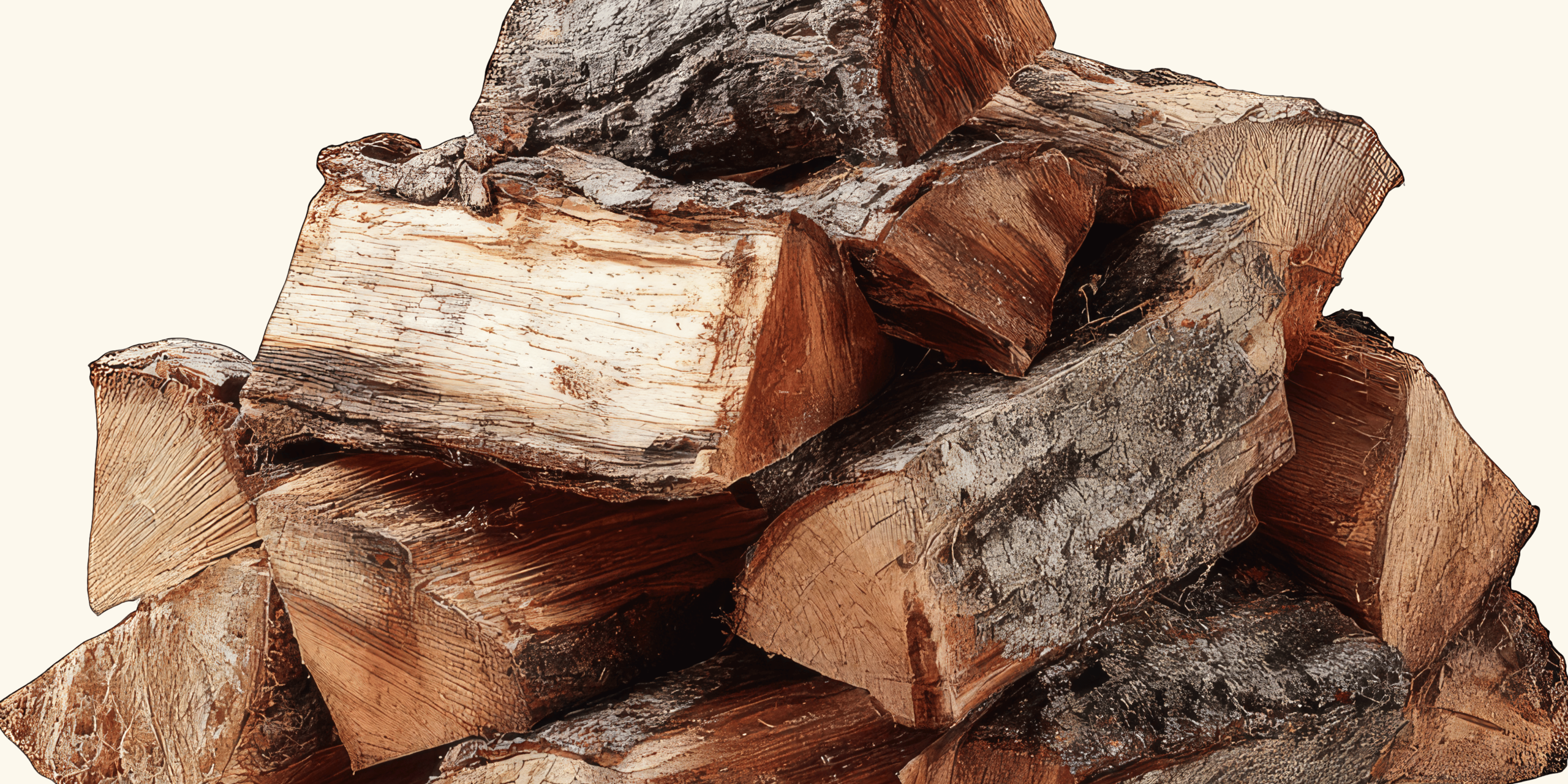
A well-seasoned firewood is one of the most crucial actions that you can undertake to have a safe, efficient, and enjoyable fire. You can use seasoned firewood to heat your house in a wood stove, or a backyard fire pit, or you can use it to prepare your camping season, but properly seasoned firewood burns cleaner, gives out more heat, and makes less smoke.
In this guide, you’ll learn what seasoning firewood means, why it matters, and exactly how to season firewood the right way—even if you’re a complete beginner.
What Does It Mean to Season Firewood?
Firewood can be dried by just drying it. Freshly cut wood (also known as green wood) has a large proportion of moisture- up to 50%. Experienced firewood has taken sufficient time to dry until its moisture content reduces to 20% or lower, which is best to burn. Drying wood naturally takes time, but the result is well worth it.
Why Is Seasoning Firewood Important?
Using unseasoned or wet firewood can cause several problems:
Better Heat Output
Wood that has been dried is more efficient and burns. Wet wood wastes the energy that is used in boiling away moisture rather than generating heat.
Less Smoke
Older wood produces less smoke, and it is healthier to your lungs and your neighbors and the environment.
Reduced Creosote Buildup
When wet wood is burned, more creosote, a flammable residue is formed and can accumulate in chimneys making them susceptible to chimney fires.
Easier to Start Fires
Experienced firewood burns more quickly and burns more, and it will save you time and frustration.
When Is the Best Time to Season Firewood?
The most suitable season to season firewood is during spring or early summer. This will enable the wood to dry during the hot months and be available to be used during fall or winter.
In most parts of the United States, firewood needs 6 to 12 months to fully season, depending on:
- Wood species
- Climate
- How it’s stored
It can take up to 18-24 months to complete hardwoods such as oak and 6-9 months to complete softwoods such as pine.
Step-by-Step Guide: How to Season Firewood Properly
Step 1: Choose the Right Wood
Oak, maple, hickory, and ash are hardwoods that are common in the U.S. since they are longer burning and hotter. The softer wood such as pine is easy to fire but burns quickly.
Regardless of the kind, firewood should be seasoned before being burnt.
Step 2: Cut the Wood to Length
Firewood must be cut to the right size to fit into your stove or fireplace- 16-18 inches in the U.S.
Shorter ones are dried in a shorter time as there is more surface area that is exposed to air.
Step 3: Split the Wood
Firewood has to be split to be well seasoned. Whole logs are slow to dry whereas split wood easily releases moisture.
- Break logs in half or quarter.
- Smaller splits dry faster.
- Logs, even big ones, must be cut.
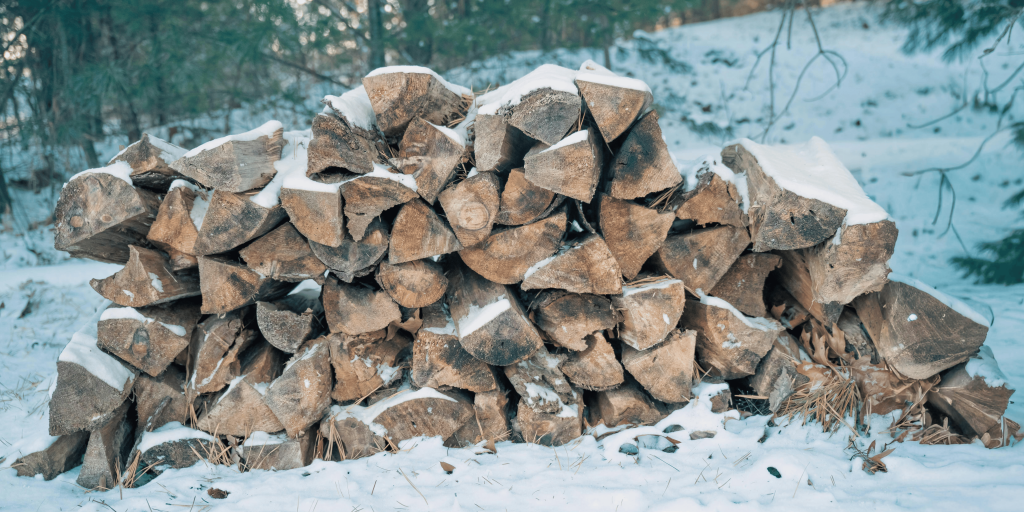
Step 4: Stack Firewood Correctly
The arrangement of firewood has a great bearing on the drying time.
Best Stacking Tips:
- Pallets, rails or treated lumber should be used to stack wood off the ground.
- Allow spacing between rows to allow circulation of air.
- Stack in a single row where possible in order to dry faster.
- Lay bark side down to avoid trapping moisture.
The airflow is the secret of successful seasoning.
Step 5: Choose the Right Storage Location
Keep firewood in a place that receives:
- Plenty of sunlight
- Good airflow
- Defense against standing water.
Do not pile firewood right next to your house since it will be attractive to insects and trap moisture.
Step 6: Cover the Top (Not the Sides)
Novices commit an error of using a tarp to completely cover firewood. This retains moisture and retards drying.
Correct method:
- Only the top of the stack should be covered.
- Keep the sides open to air.
- Cover with metal roof, tarp or firewood.
How Long Does Firewood Take to Season?
Here’s a general guide for common U.S. firewood types:
| Wood Type | Approximate Seasoning Time |
| Pine | 6–9 months |
| Ash | 9–12 months |
| Maple | 12 months |
| Hickory | 12–18 months |
| Oak | 18–24 months |
Climate plays a major role. In dry areas, the drying process of wood takes shorter periods compared to humid areas.
How to Tell If Firewood Is Fully Seasoned
Visual Signs
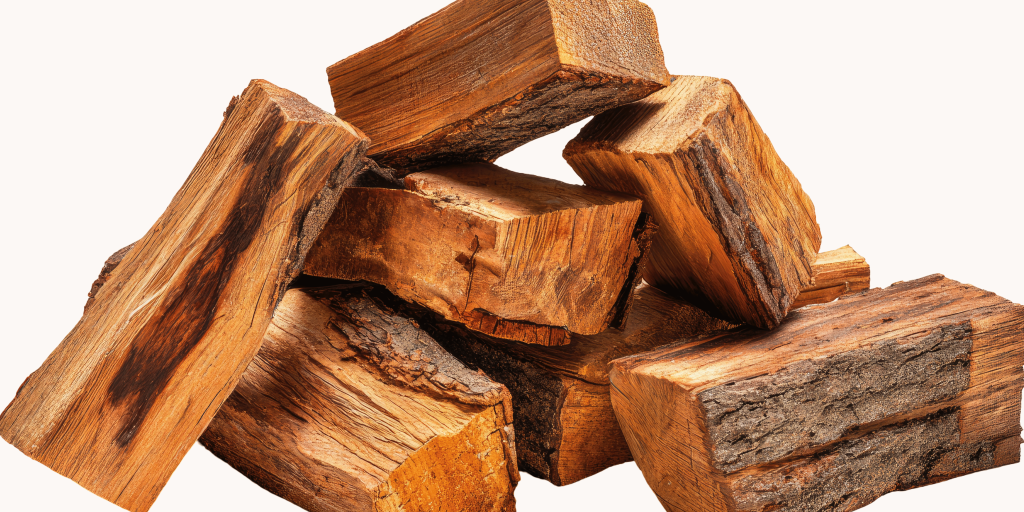
- The ends are cracked or checked
- Darker, dull color
- Bark peeling off
- Sound Test.
Bang two pieces together. Experienced wood gives a sharp hollow sound whereas wet wood gives dull sound.
Weight Test
Experienced firewood is much lighter as compared to green wood.
Moisture Meter (Best Method)
The moisture meter is cheap and it is common in the U.S. Firewood is regarded to be seasoned when its moisture content is 20 percent or below.
Common Mistakes to Avoid When Seasoning Firewood
Burning Green Wood
This is the most widespread error and results in bad fires and chimney issues.
Stacking in a Pile
Piles hinder the passage of air and slow down drying.
Storing Wood in a Garage or Basement
Storage in doors blocks air circulation and may bring about the entry of pests.
Fully Covering Firewood
This keeps moisture and promotes mold.
Can You Season Firewood Faster?
While natural air-drying is best, you can speed up the process by:
- Splitting wood smaller
- Stacking in full sun
- Using a single-row stack
- Avoiding humid, shaded areas
Kiln-dried firewood is also a possibility, but it is more costly and is normally bought instead of made at home.